
The Archive
Notes, essays, and occasional detours.
A running collection of Francis Sopper’s writing on cognition, attention, work, relationships, and the curious ways our minds make sense of the world.
← Back to newsletter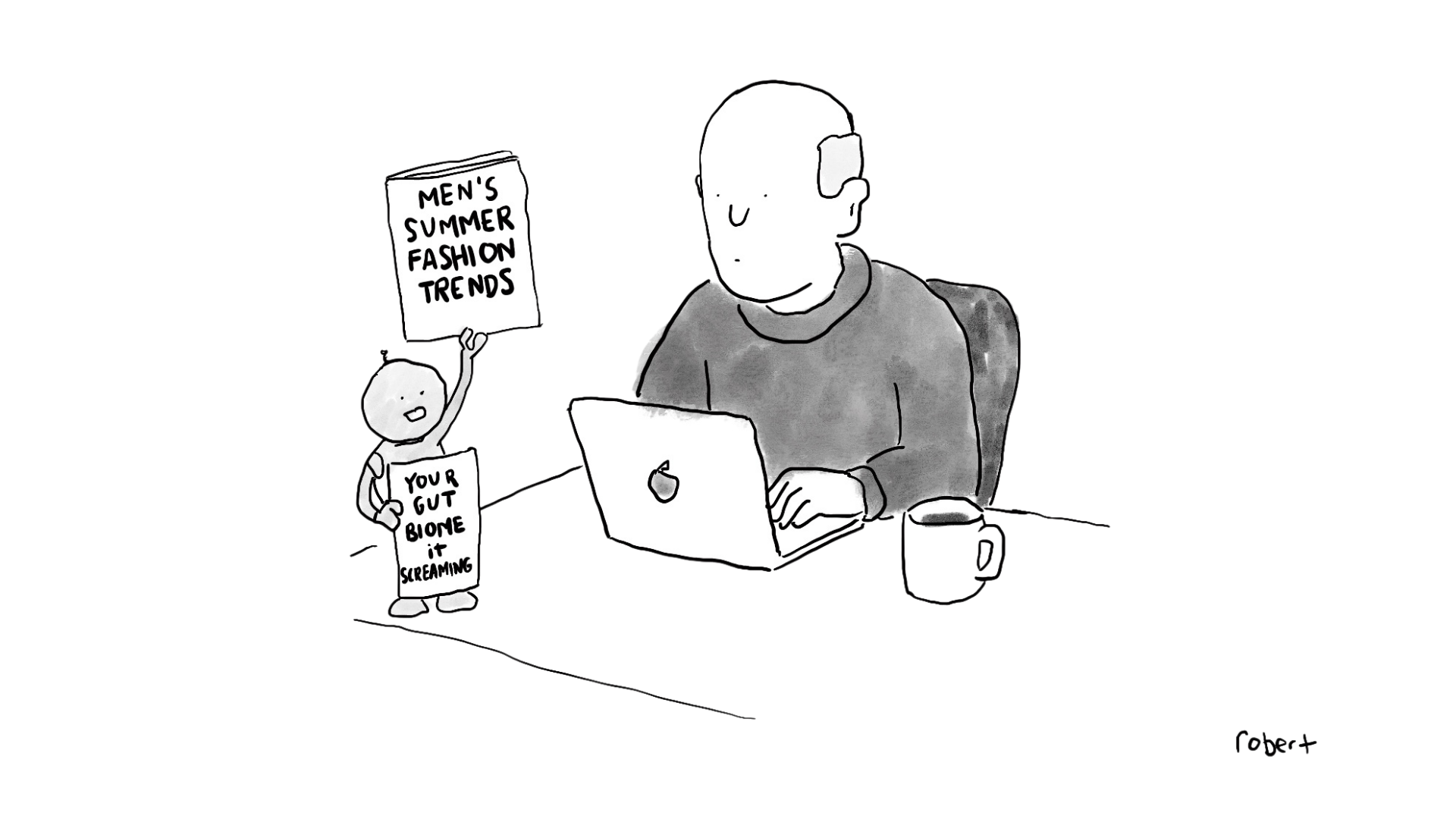
The Bots Know What You Want
What do you need?
As I compose these thoughts into a Google doc, I'm looking outside at spring eager to emerge on this rainy day at 10º Celsius. On my keyboard, my feeble fingertips are holding back the universe of information inside, no doubt much of it of use to someone, but at this moment, all I need to know is already obvious. I need a sweater. If I go outside I'll need a raincoat.
Pain Plus Curiosity Make Us Human
Pain, desire, longing, hunger, thirst are among the prerequisites for curiosity, wonder, creativity.
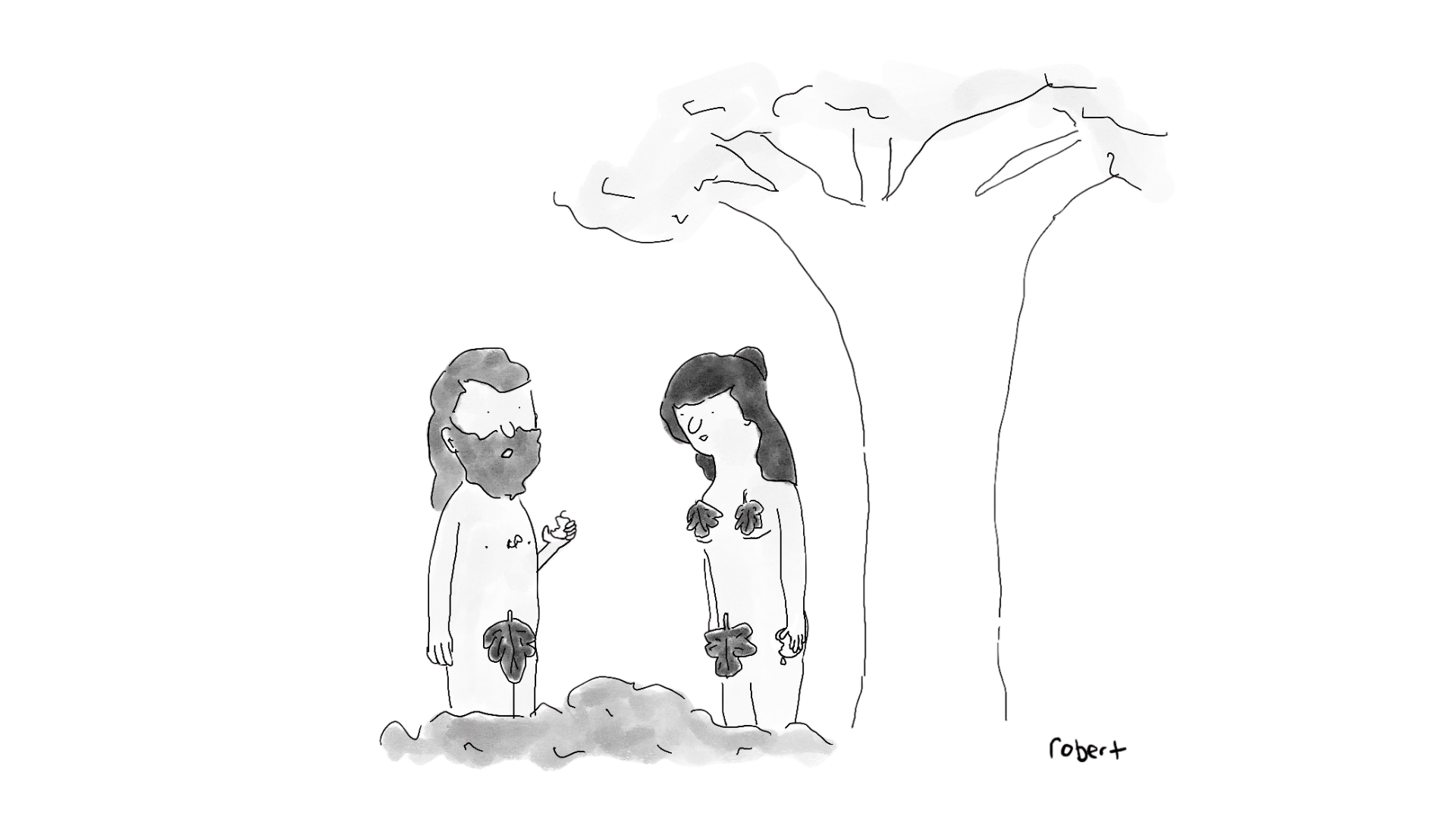
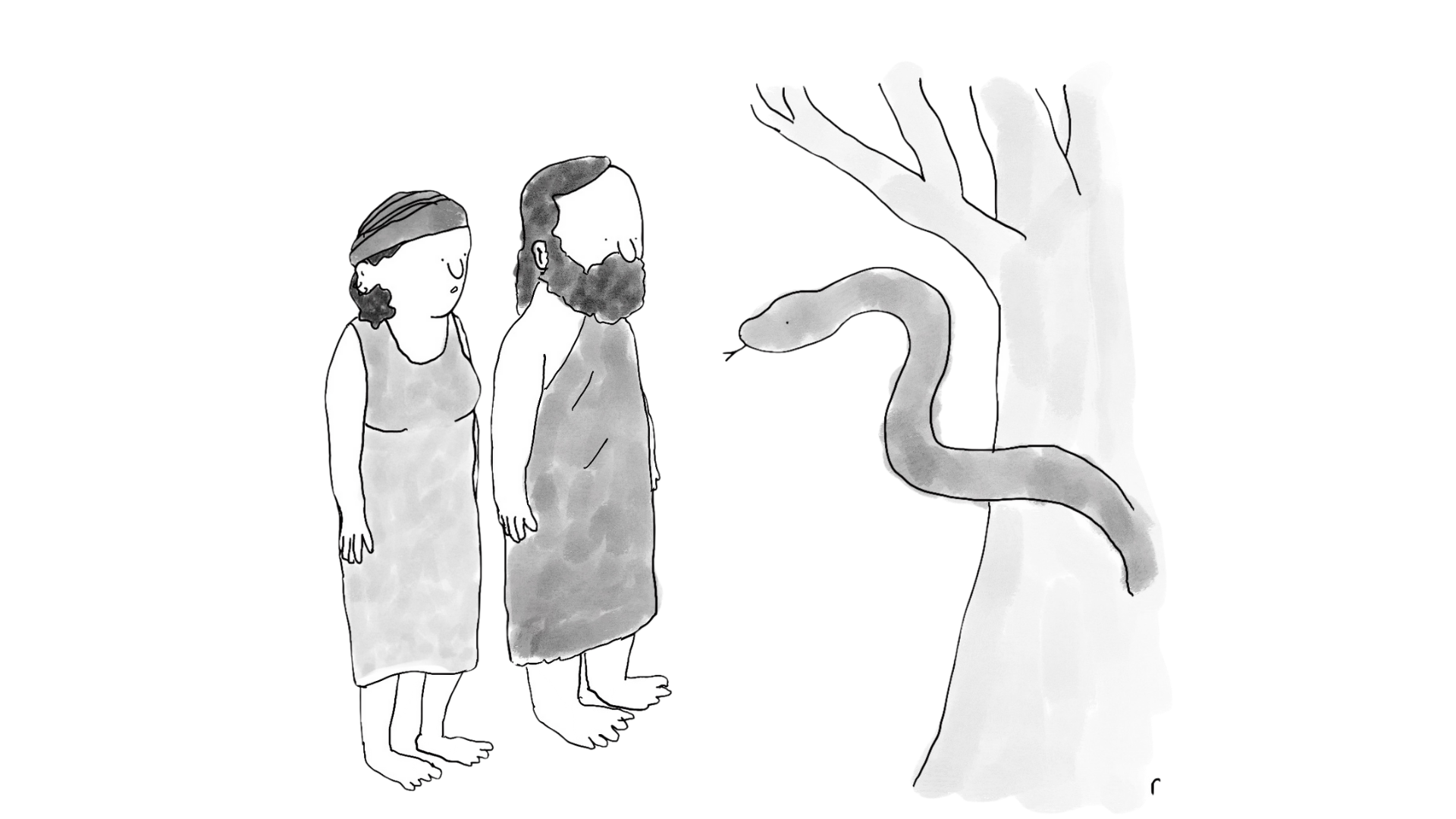
We needed to leave the Garden of Eden. We'd still be sitting on our arses there not having invented anything, achieved anything, discovered anything if Adam and Eve hadn't asked, what if? They probably shouldn't have lied about it, although the ability to deceive and deflect is an important stage in human development. It shows up around ages 8 or 9. Children younger see truth as the story that will please the adults.
Chill of the Numinous
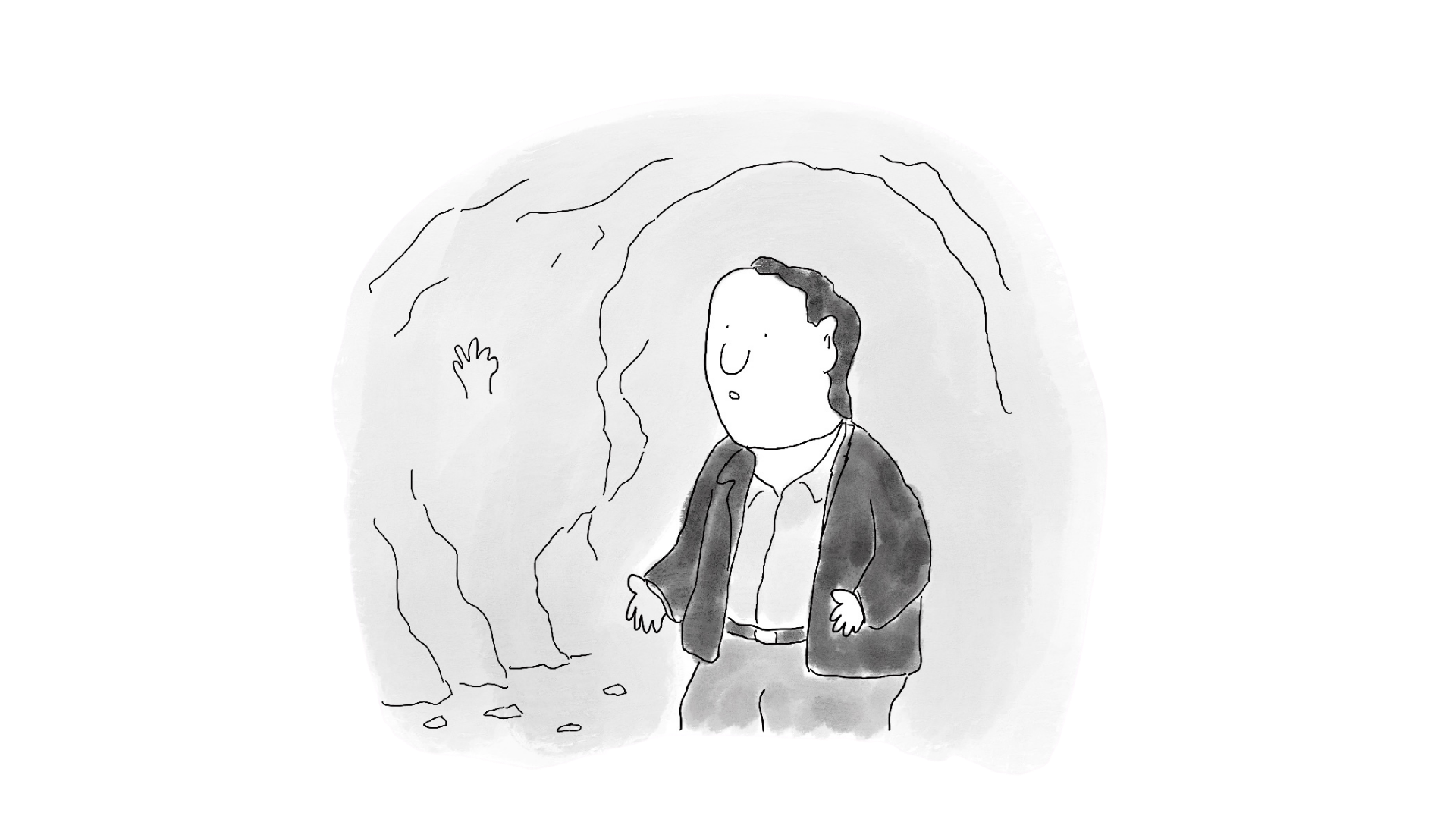
Humans, starting with beginner humans, have occupied the caves of Arcy-sur-Cure in Burgundy, France, maybe back to the Pleistocene. Sometime around 30,000 years ago, they created paintings and carvings on those walls that still exist. About a dozen years ago, I got a chance to visit.
Mr. Carroll
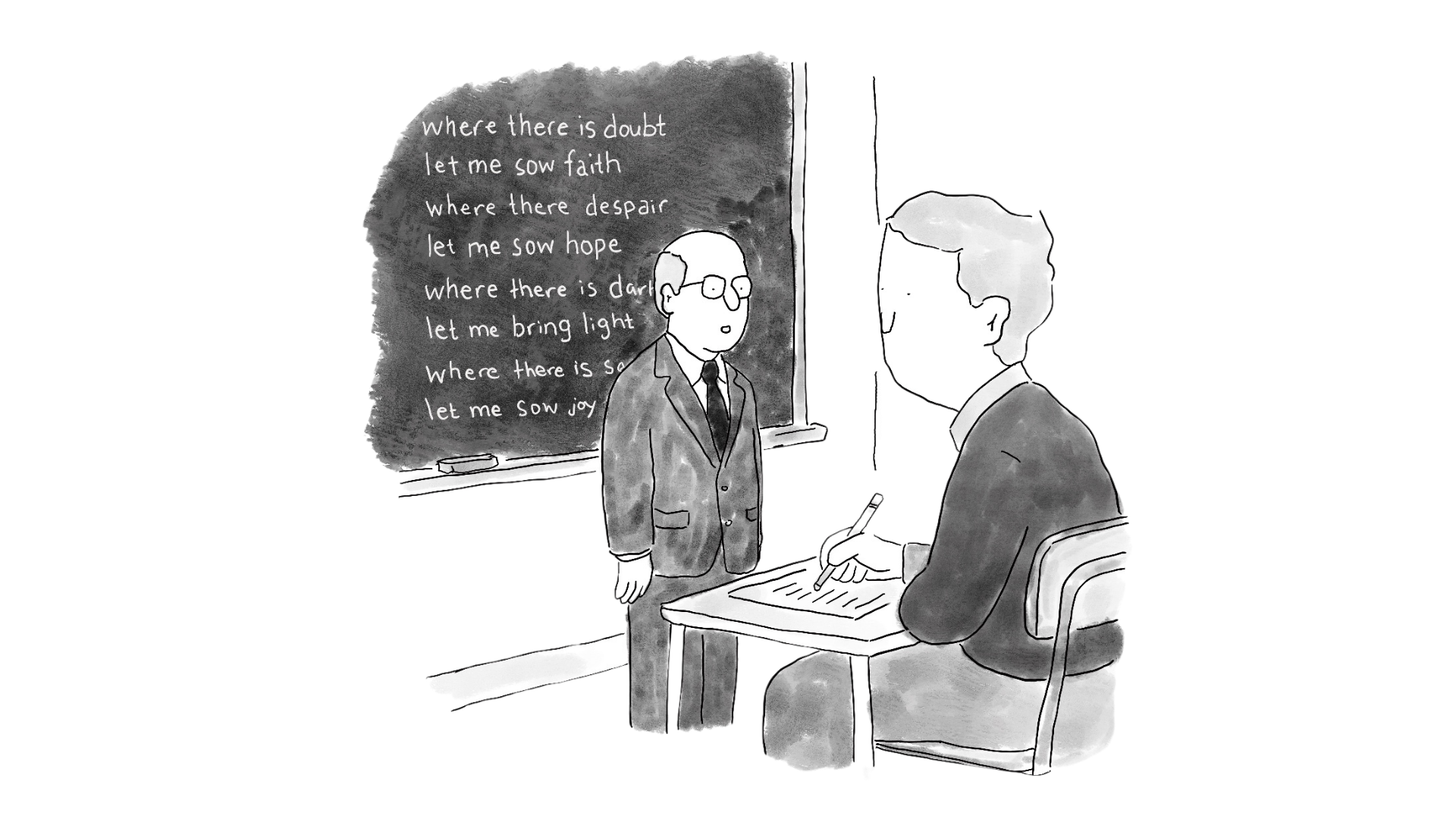
Someone asked me recently why I do what I do? He was wondering if I had a set of underlying core values that drove me. I had to say I didn't know. I'm inexplicably interested in the human condition. In particular, we seem to have this weird and slippery possibility to apply our conscious awareness to bettering our condition. I've spent my life -- with the support of data-driven probability theory -- trying to understand how to get our hands around this possibility.
Thinking Inside the Box
There are times we don’t know what we’re looking for when we engage one another. We want the other’s thoughts. We want them to brainstorm, associate, cluster, explore, dump out the contents of their brains into view so we can sift and see if there’s anything there useful or interesting. This kind of thinking is what gets generated from open-ended questions.
Turning Questions Into Invitations
What's on your mind?
My friend, Matt, has had a long career in public relations and communications, and introduced me to the term, "committing candor" when a politician or public-facing official actually says what's on their mind in a deviation from the message, talking points, or informationless response they were trained to deliver.
Ada Yonath also has questions
At home, Ada Yonath was always questioning.
"My mother said I was always asking, 'Why is that red?' and 'Why do we have winter?' and 'Why is this liquid more viscous?"
"Despite her parents’ lack of resources or formal education, they supported their daughter’s evident curiosity and, with the help of an encouraging kindergarten teacher, sent her to a prestigious grammar school."
My Sister Has a Question
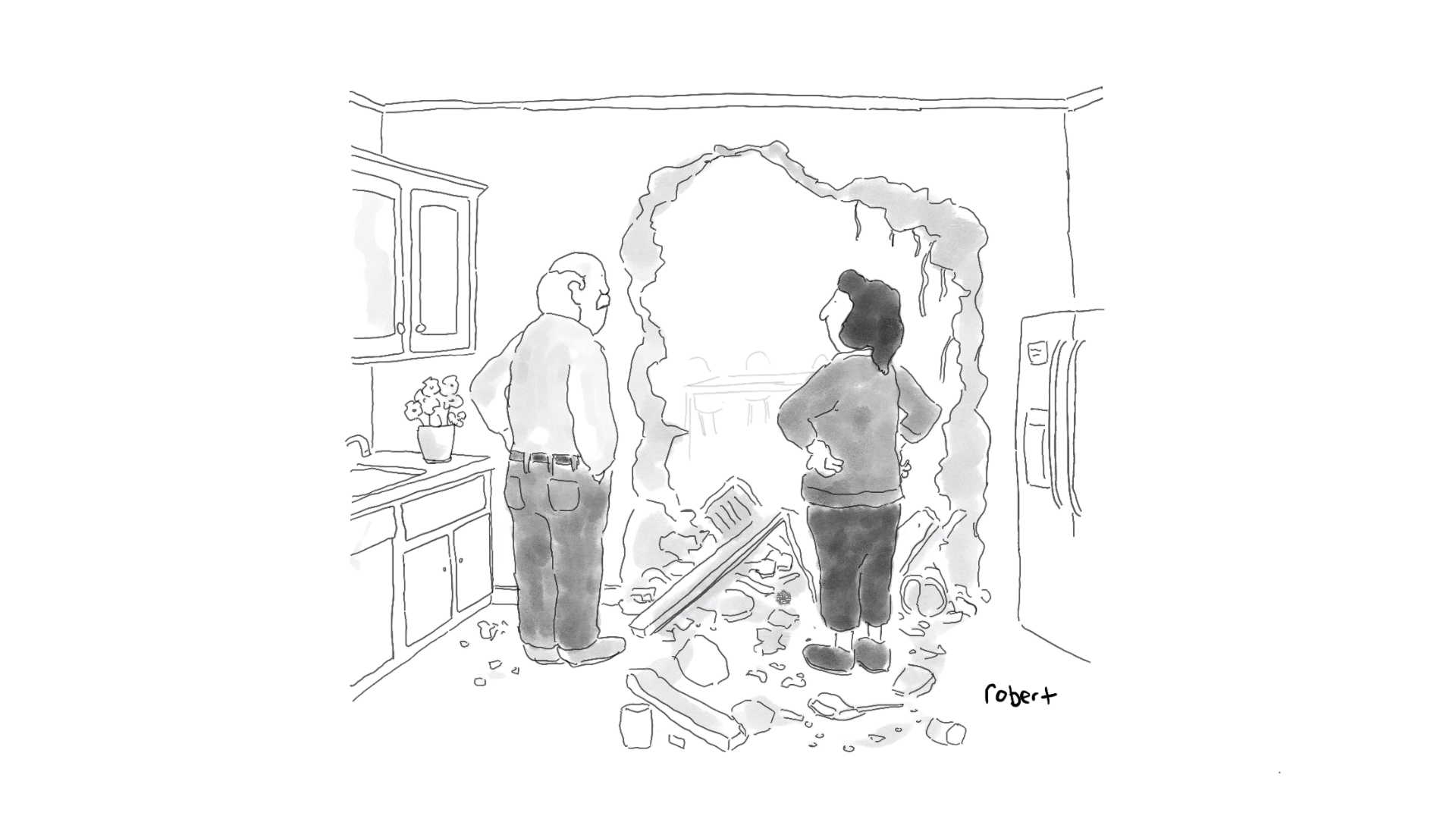
Judy wants your point of view.
It's not that she doesn't have strong opinions of her own and a well-internalized point of view. In fact, that strong persona gives her the confidence to put her point of view out for challenge. Her sister-in-law and I were recently admiring how when she has decisions to make, she crowdsources. She puts her hypothesis out to her friends and associates for peer review.
Othering and Belonging
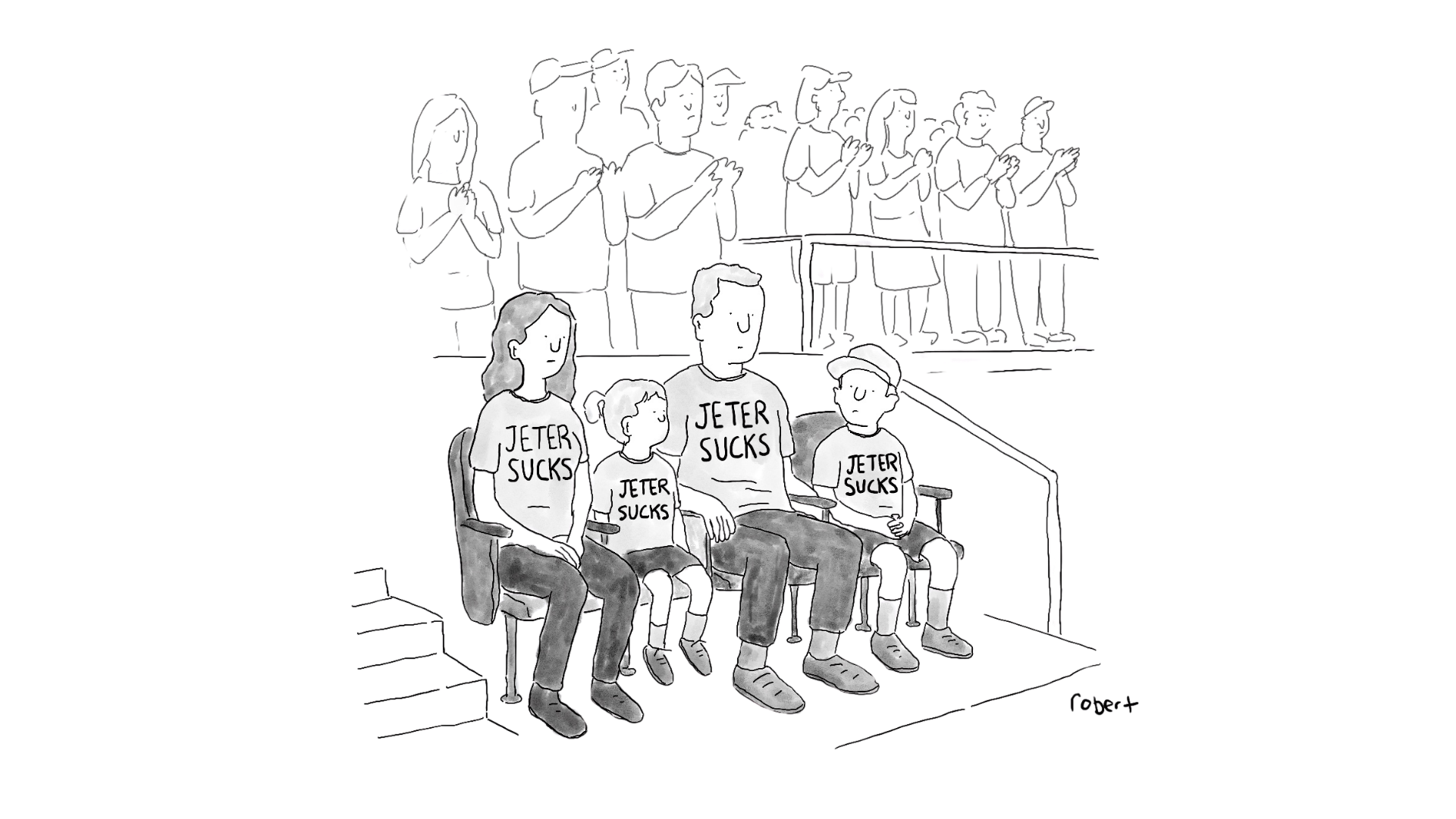
"Jeter sucks" their shirts proclaimed.
On a summer afternoon about a dozen years ago, I was standing outside Fenway Park in Boston waiting for a friend. We were using the occasion of a Red Sox game to hang out and catch up on each others' lives. As noted many times, I have a lot of identity attached to Boston -- love that dirty water -- and consequently an attachment to the Sox.