
The Archive
Notes, essays, and occasional detours.
A running collection of Francis Sopper’s writing on cognition, attention, work, relationships, and the curious ways our minds make sense of the world.
← Back to newsletter
Games, Puzzles, Constructions
Games require losers. Games require at least one winner. Games can make losers better at the thing the game does, and sometimes that turns a loser into a winner, and can turn winners into losers if they don't keep up with the getting better. Over time, everyone in the game can get better without having any impact on the ratio of winners and losers. Paradoxically, being good enough to win can lower the incentive to get better. Jonathan Edwards, who has held the world's record for the triple jump since 1995, is ambivalent that no one has done better than he has for 30 years. Athletes are winning contests -- winning Olympic gold medals -- without needing to improve on his performance.

Intentional Imperfection
"Nothing we see or hear is perfect. But right there in the imperfection is perfect reality." (Shunryu Suzuki, 1904-1971)
Many of you know, Plus Ultra was the motto of my high school. In English, it can be translated as "Over the top." It's kinda ridiculous because in Latin, ultra means, well, ultra, there's nothing beyond ultra. It's analogous to saying, Be more unique. No. You're either one of a kind or you're not.
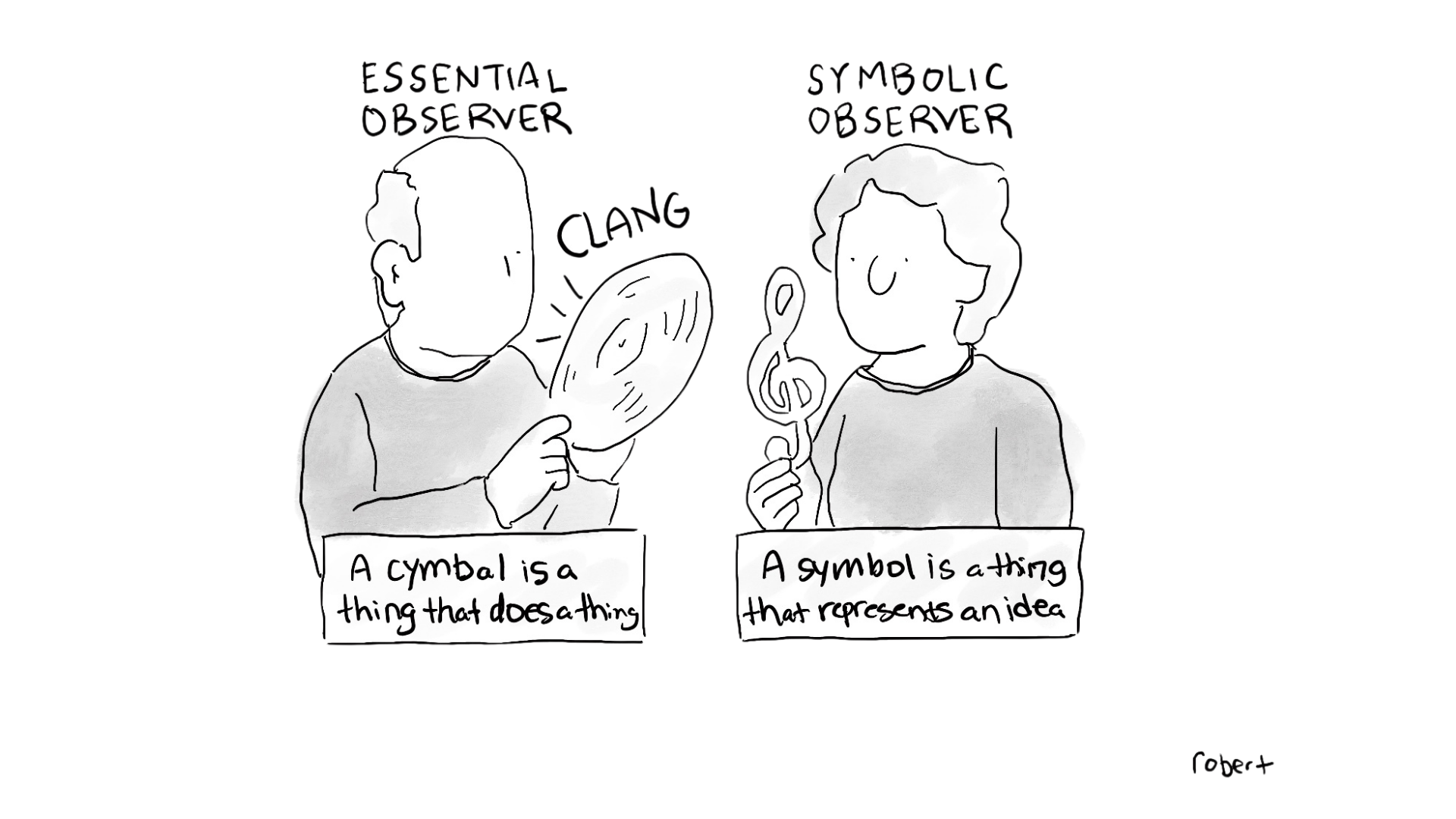
Cymbals and Symbols
Force Direction: Essential and Symbolic Observer
A cymbal is a thing that does a thing. A symbol is a thing that represents an idea.
Cymbals make sounds. Ideas make music.

Force Duration Listener
23.17 seconds
Reading is the most efficient way for me to consume content. As I've noted many times, among the seven forces, I have the shortest force-duration for reading. At the same time, we know the difference between a power lifter and a marathon runner. Power lifters are high force; short duration. Marathon runners titrate their force over a long duration. My Reader force is high for a short duration.
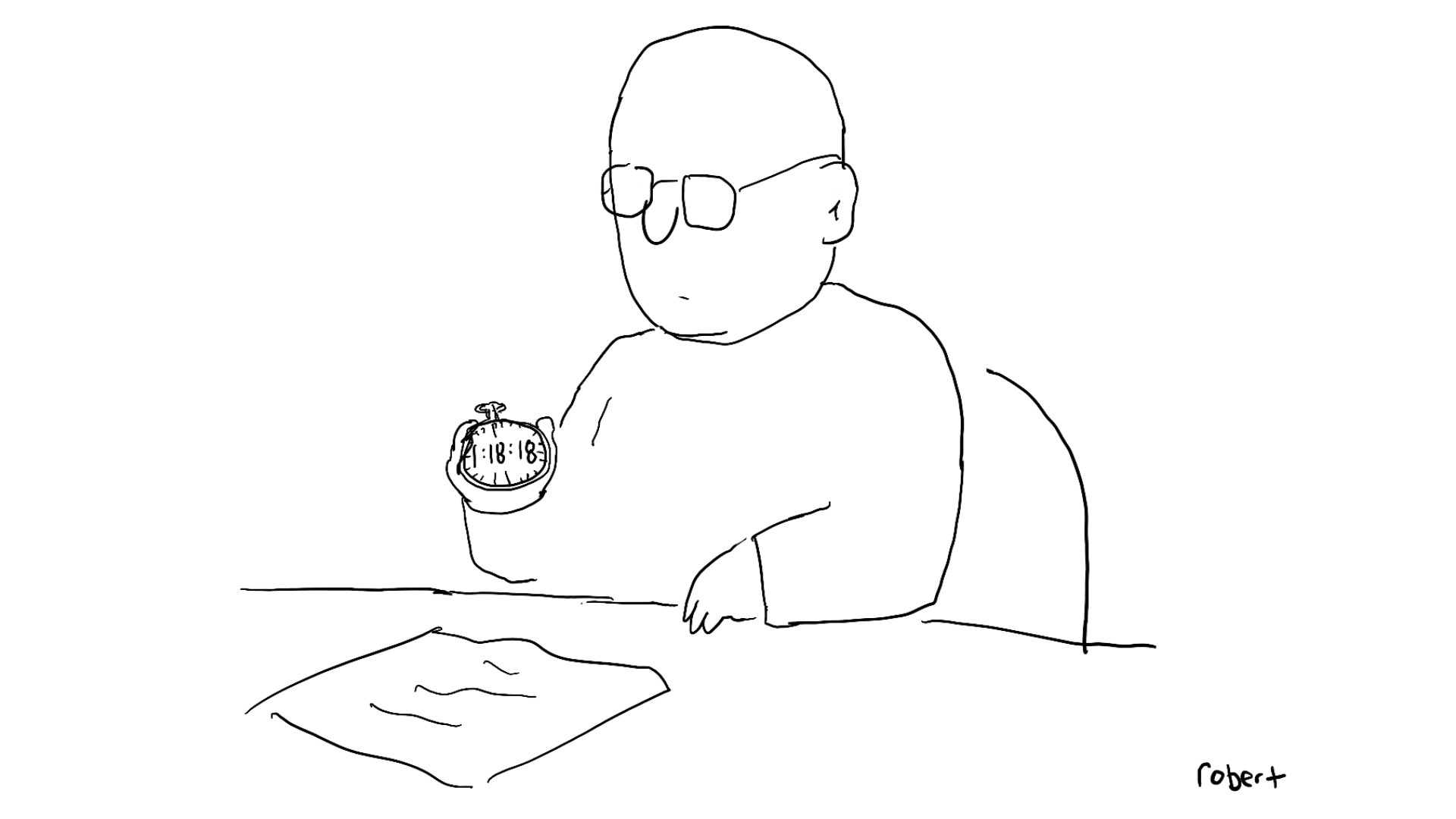
Measuring Force Duration
I just set a stopwatch timer. When I write something like this, I'm activating my Associative process. My Associative process activates when I'm trying to generate fresh thinking. The context is to bring something fresh to you, gentle reader. You have a curiosity and an interest in ideas that will enter your Associative process. Once there, best outcome is these ideas are seeds for your own fresh thinking. Most of these don't offer you a formula. That is, first do this, then do that, and so forth until you've arrived at a defined outcome.
Intention
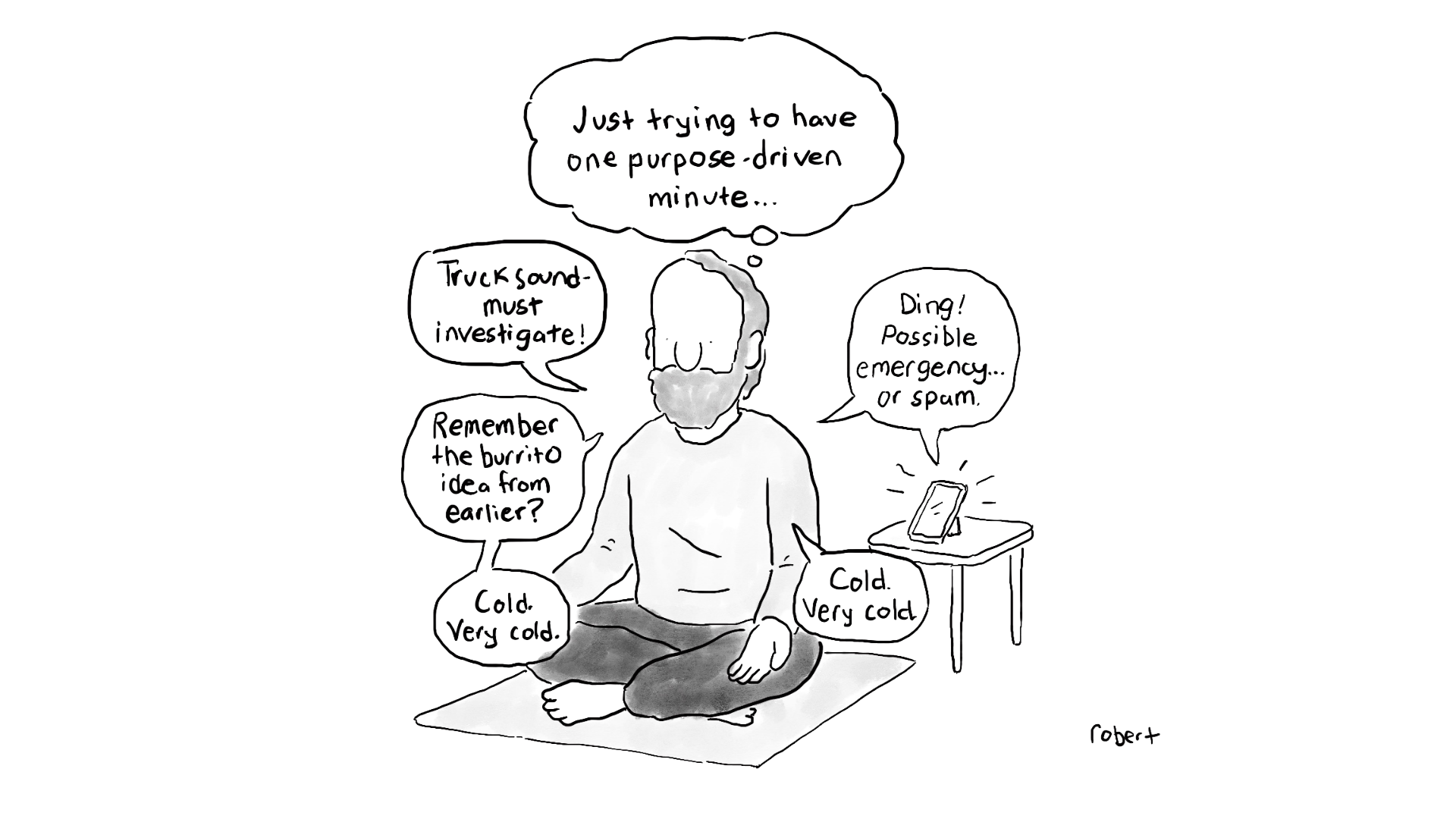
Awareness, purpose, intention.
Some time ago, I shared my purpose to write about cognition as it appears in the wild. There's the academic study of cognition, but I want to bring forward how it shows up in how we engage it day to day. So these posts have the purpose to share my metacognition, that is, watching my own mind, and the minds of others at work and to offer those observations to you.
Purpose
Awareness, purpose.
1986
I was 31 years old teaching third-grade in Cambridge Massachusetts. A boy, call him, Luke, was in my class. He had terrible handwriting, and hated reading. During reading period, he would slump all over his desk as if his bones had gelatinized, and he matched his posture with an exhausted expression that suggested he was on the verge of collapse. The second recess was announced, his face lit, he bounced up, and fled rapidly into the play yard, and whatever natural science experiment he had underway in some dirt pile. Our science teacher was an entomologist by avocation, and Luke would try to find every exotic bug for her to name. She never disappointed.
Demanding Discipline
Awareness, purpose, intention, opportunity, force, direction. It's the work of becoming more rigorously and relentlessly who we are, so we can find our highest and best, in order to get to it.