
The Archive
Notes, essays, and occasional detours.
A running collection of Francis Sopper’s writing on cognition, attention, work, relationships, and the curious ways our minds make sense of the world.
← Back to newsletter
A Different Attention
US drivers navigated 3.28 trillion miles in 2024.
There was a nonetheless horrific, but surprisingly low number of approximately 40,000 fatalities in those trillions of miles. Take out that 40% of those deaths involved drug or alcohol impaired drivers and many of the rest weren't the driver and not responsible, nearly all of us have sufficient attention to do something as challenging as safely driving an automobile in traffic.
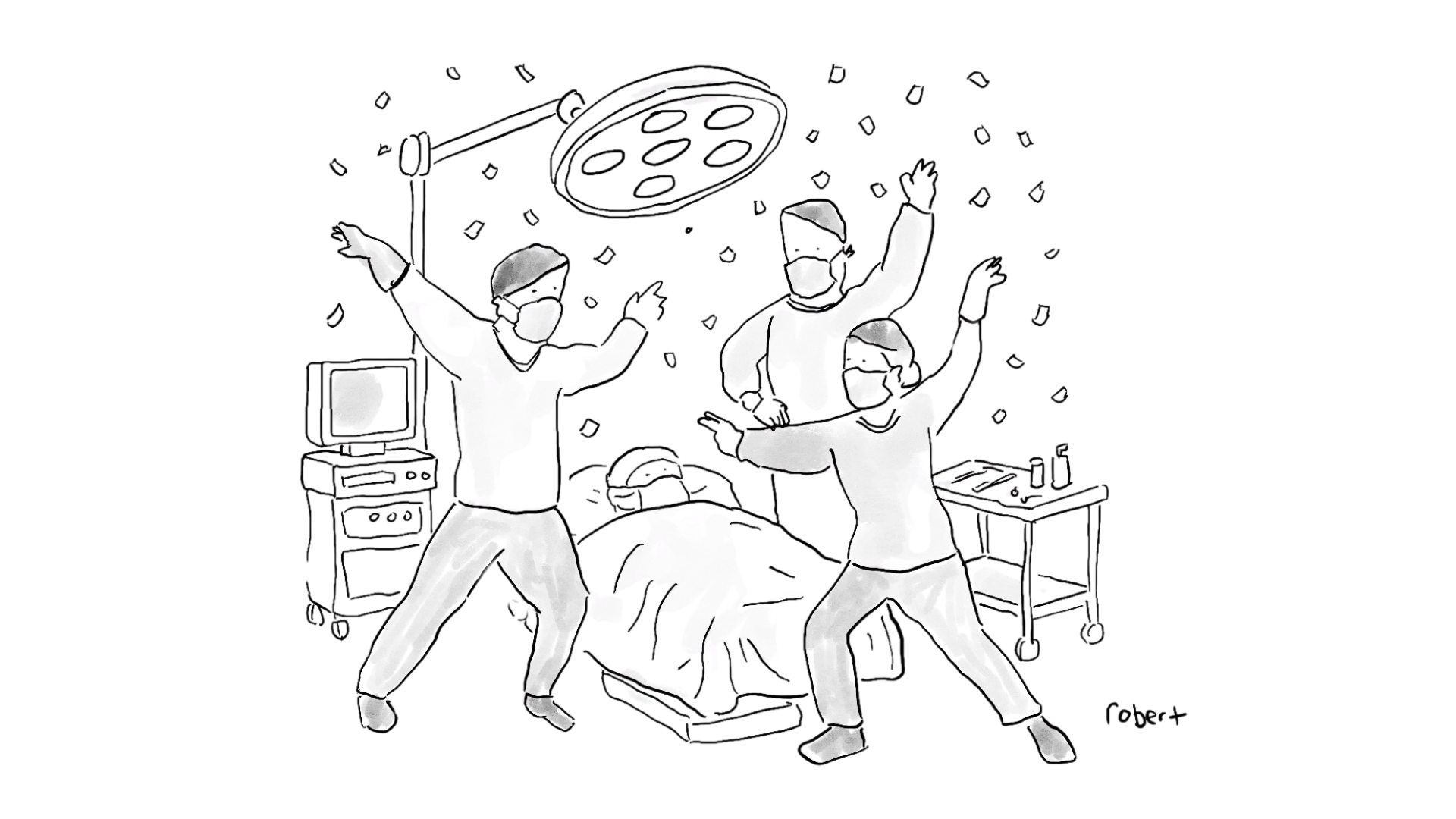
Operating Rooms Are the Ultimate Paradox
Operating rooms are the ultimate paradox. At the center is this wet bag of humanness. Manifested by my just having sneezed, humans are leaky, impossibly complex, sloppily put together, and hard to predict. Add to this, the reason we end up on operating tables is that we are malfunctioning in some important way. The malfunction can raise the level of uncertainty by a little or by multiple powers of ten.
Question Your Identity
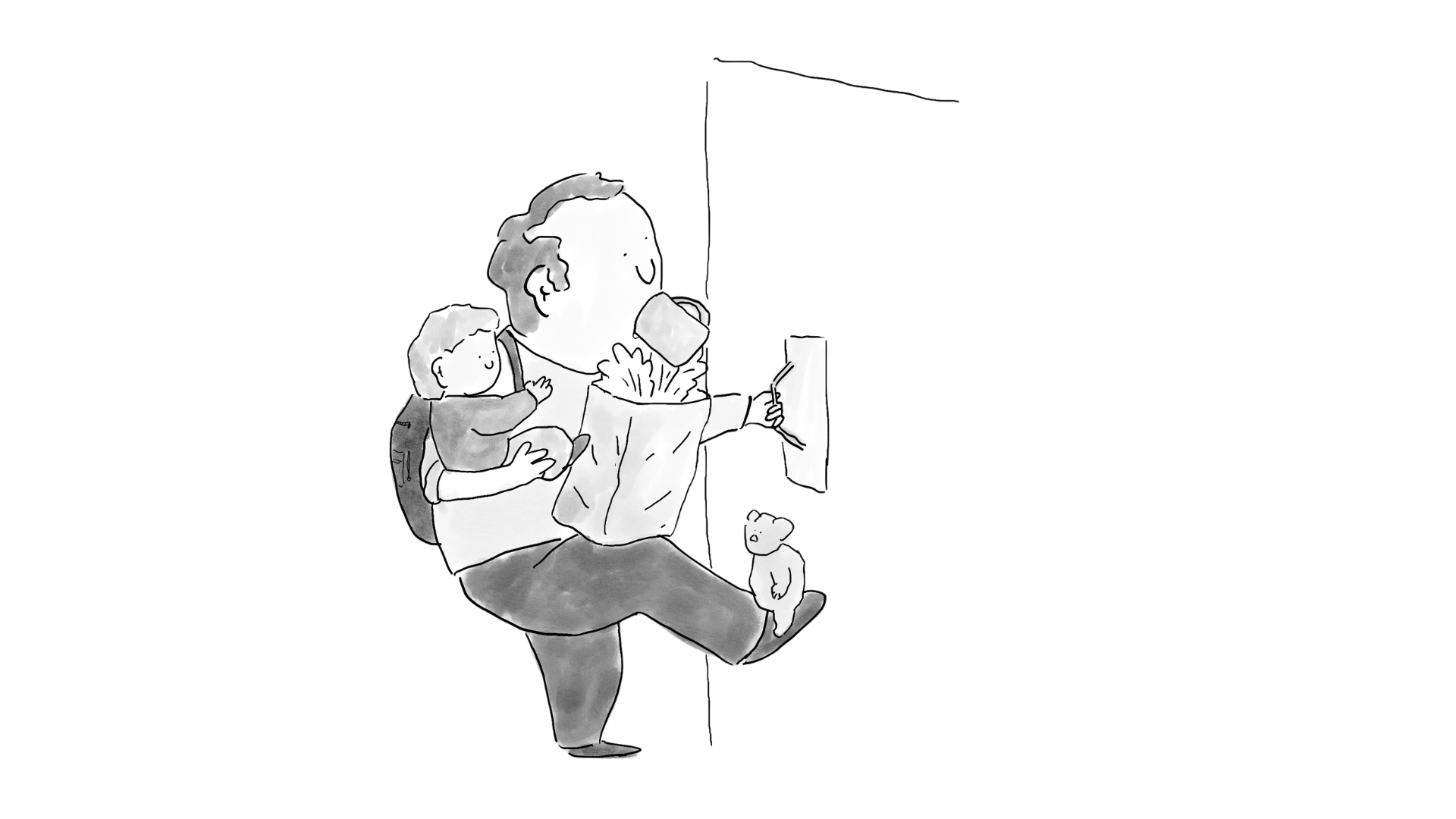
Have you had the experience of having to open a door while carrying several things?
For example, holding a toddler on your hip, while gripping a paper cup between your teeth, tucking the bag with the toddler's gear between your knees, with a stuffed animal in the pit of the arm that has the hand you're using to grab the door handle?
What can I learn from this?
Metcognition: watching our own brains at work.
That amazing quality we have, not just to react instinctively as when infants we cried out when we experienced discomfort, and suckled when presented with a food source -- fear and want being our most basic instincts -- this still somewhat mysterious process of metacognition allows us to anticipate the future so we can attempt to optimize our response to it -- the root, if you will, of all agriculture. Metacognition allows us to be aware in the present of the dynamic between what we anticipated and what is activating now so we can better optimize the present moment.
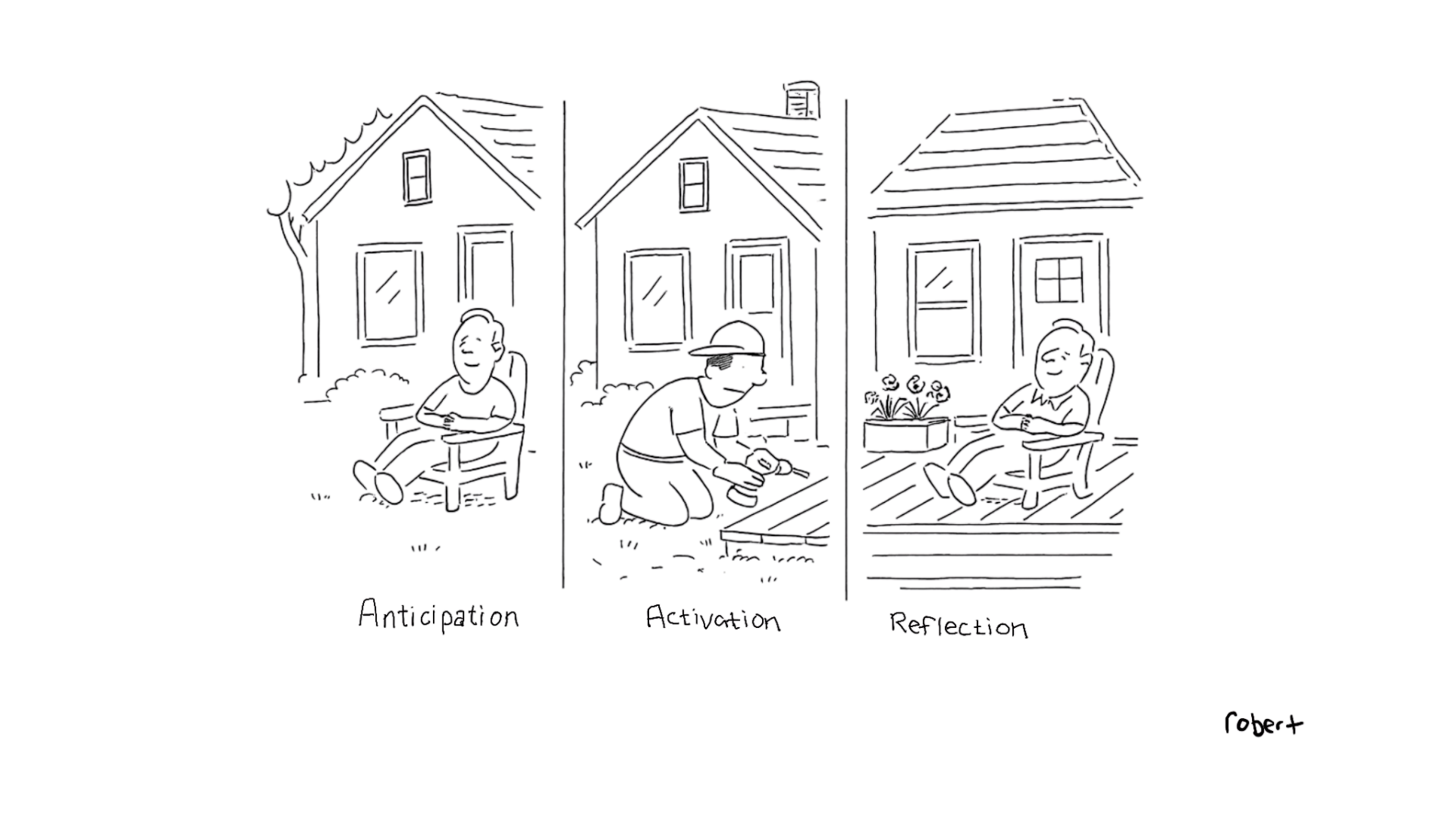
Why Every Decision Comes in 3 Parts
My hobby is carpentry. I grew up with people in the building trades. I live in an old house largely for the opportunity to keep it from falling down.
I've written before about building a porch.
There are three cognitive positions in play whenever we make a decision.
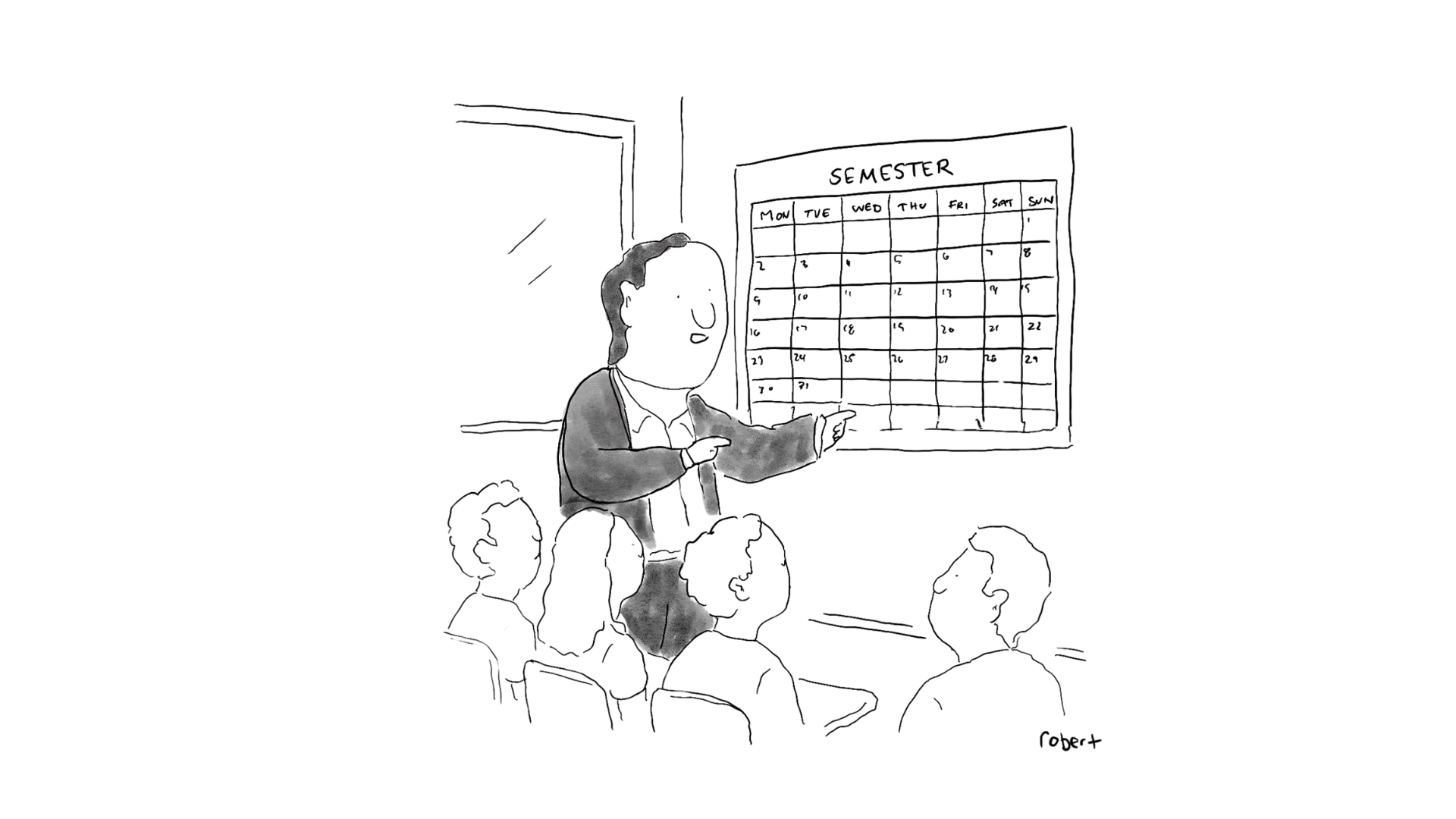
Dates on Calendar are Closer than They Appear
As many of you know, when I taught college undergraduates, I came to the realization that the semester seemed much shorter to me than to my students. My own undergraduate institution still sends me their calendar. It shows the first semester as 11 full weeks not counting the final exam week -- at best 33 class days. Aside from each week costing approximately $4090/student, that's not much time. However to the students, December looks safely off in the outer distance. The current 2025 calendar pictures hi jinks on the quad in shorts and t-shirts in September, and three flips later, December features hi jinks on the quad in hats and gloves with giant snow sculptures.
I Can Do It Tomorrow
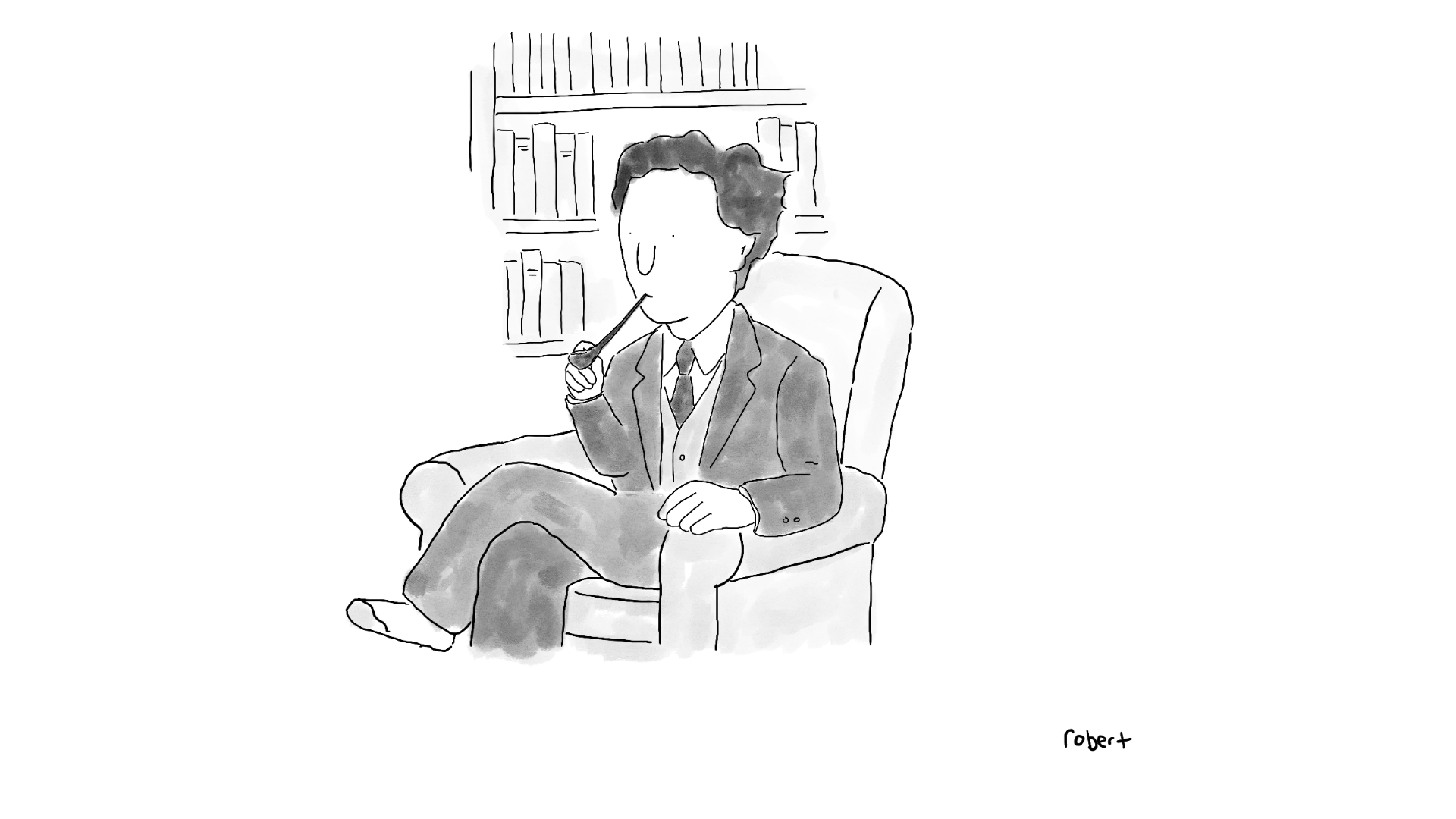
If I can't get to it today, I can do it tomorrow. If I don't get to it tomorrow, I can do it next week. If I don't get to it next week, I can do it next month.
Three weeks.
If three weeks go by, and you haven't gotten to something for which you have an intention, the probability that it will happen in the next three weeks shrinks to very unlikely. All those things that showed up every day during the last three weeks to push this thing to the next day and next week, are showing up in the upcoming three-week period.

Earning your poetic license
Notoriously depressed to the point of being known as 'the weeping philosopher" Heraclitus 2500 years ago observed that all existence was in constant flux, the foundational element was fire - destroyer and transformer, and gave us the concept that we never step twice in the same river -- the water you stepped in yesterday is gone. Nothing stays.

Plan like a poker player
Plan like a poker player
The world is full of uncertainty. In poker, there are a small number of combinations that will beat what's called a full house --three of a kind plus a pair -- but if you're holding a full house, particularly if the three is of the highest value cards: aces and the pair is above average -- say eights -- you're the likely winner with little risk to you. Wild Bill Hickok was holding the winning hand in a poker game with a lower value, but still respectably advantaged hand of two aces and two eights. While he was holding the highest value set of cards for that round, a higher-level chance arrived. Hitchcock was shot in the back and killed by a rival who had entered the saloon behind him. Predictable randomness.
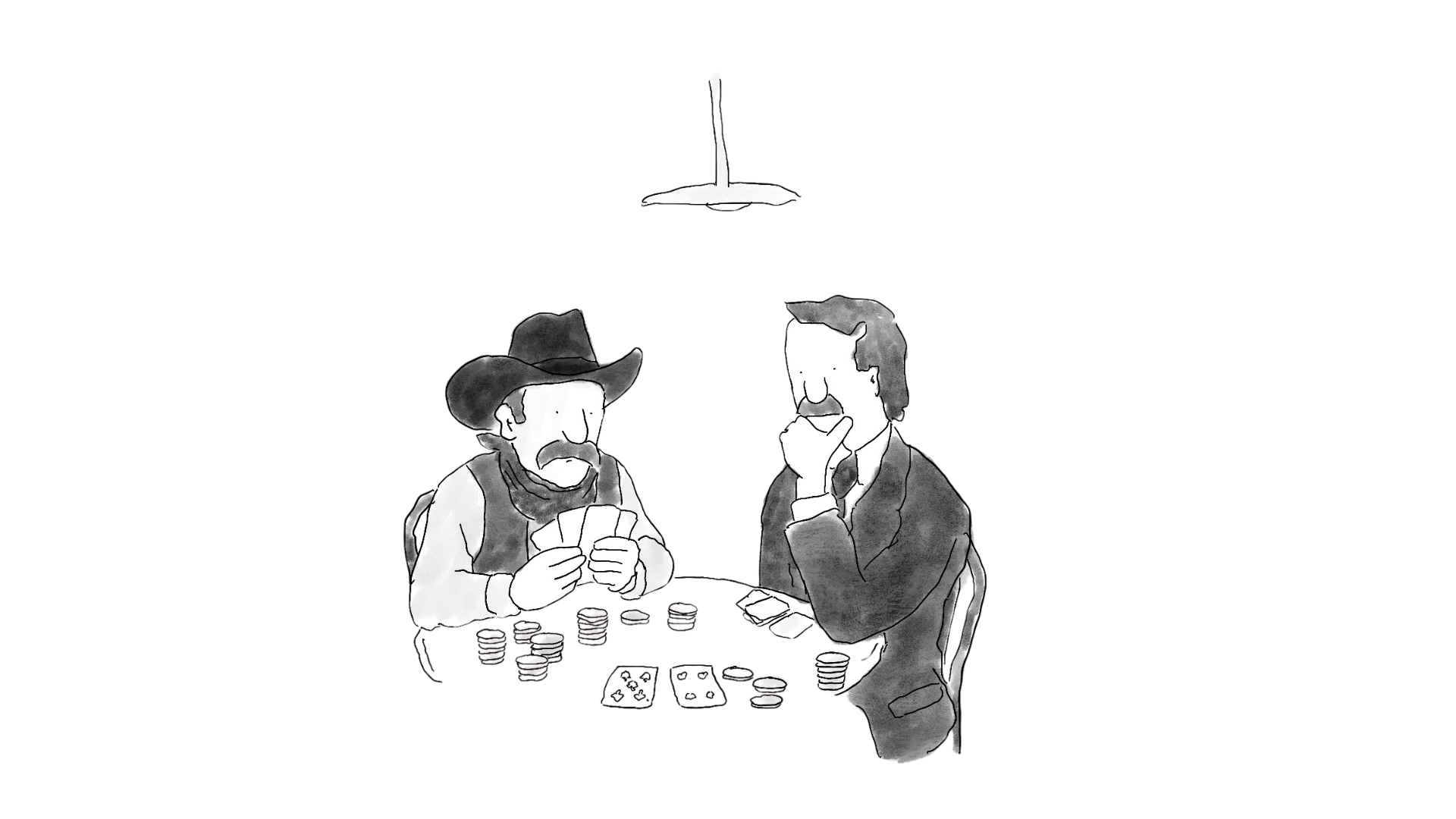
Predictable Randomness
Grandpa Ross taught all his grandchildren to play poker and shoot craps. He didn't survive the Great Depression and WWII to leave his grandchildren to grow up to be fools. My sister, Judy and our cousins Jimmie, Debbie, and Joey; and sometimes other playmates, didn't just play the games, but bet on individual hands in poker and individual rolls in craps as a way of keeping score over sessions of play. We played for pennies, so there was no wealth accumulation incentive. These are games in which one person wins and everyone else loses in the individual rounds, but over time, wins and losses often accumulate to different sets of winners and losers.